
How Curtains Enhance a Room: The Transformative Power
How Curtains Enhance a Room: The Transformative Power
From Henry Seo
Curtains are frequently underestimated in the interior layout, yet they play a pivotal function in shaping the surroundings and capability,
Subscribe to follow campaign updates!
More Info
Curtains are frequently underestimated in the interior layout, yet they play a pivotal function in shaping the surroundings and capability, and aesthetic appeal of a space. Far past mere window coverings, curtains can increase a room’s layout, infuse personality, and address practical needs. From controlling mild to developing seen illusions, here’s how curtains decorate a room and why they deserve careful attention in your subsequent interior task.
1. Light Control and Atmosphere
Curtains are critical for handling herbal mild, allowing you to tailor a room’s mood. Sheer fabric filters out daytime, growing a mild, airy glow ideal for dwelling rooms or kitchens, at the same time as blackout curtains block light completely, pleasant for bedrooms or domestic theaters . This versatility makes curtains a key tool for designers aiming to balance brightness and coziness. For example, layered treatments—pairing sheer panels with heavier drapes—offer flexibility, allowing transitions from daylight hours luminosity to midnight intimacy .
2.Privacy and Space Division
In houses or business areas, curtains provide privateness without sacrificing style. Heavy, blanketed cloth defends interiors from prying eyes, while sheer alternatives hold openness . Beyond windows, curtains can divide open-plan areas, collectively with separating a drowsing corner in a studio rental or framing a dining sector. This technique combines capability with drama, as seen in luxury lodges where ground-to-ceiling drapes define spaces with theatrical aptitude .
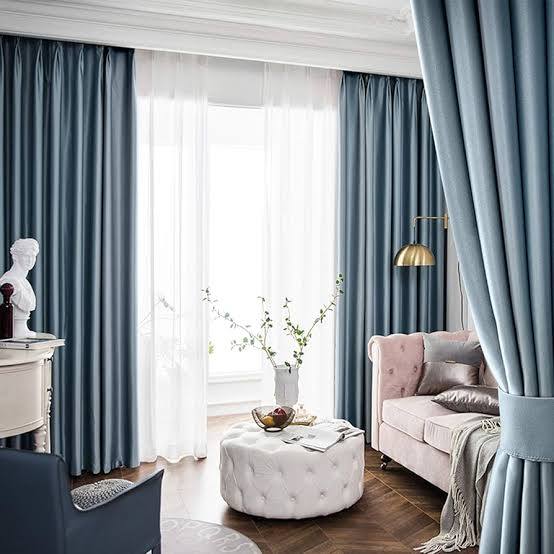
3. Aesthetic Enhancement
Curtains are a format powerhouse, able to anchor a room’s colour scheme or introduce texture and sample. Bold prints can function as focal elements, while impartial tones harmonize with minimalist decor . Fabric desire also influences aesthetics: velvet exudes luxurious, linen offers informal beauty, and silk adds undying sophistication . Custom designs in addition customise areas, aligning with subjects from current to traditional .
4. Visual Illusions and Proportion
Strategic curtain placement can modify perceptions of place. Hanging drapes towards the ceiling elongates walls, making rooms feel taller, while puddling fabric on the ground provides grandeur . Conversely, sill-length curtains healthy compact regions like bathrooms. Designers moreover use curtains to melt architectural flaws or highlight capabilities, consisting of framing a lovely view .
5. Acoustic and Thermal Benefits
Curtains make a contribution to comfort past visuals. Thick fabrics absorb sound, reducing echoes in massive rooms—a tactic well-known in restaurants and workplaces . Lined curtains additionally insulate, retaining room heat in winter and funky in summer season, which could lower electricity costs .
6.The Psychological and Emotional Impact
Curtains evoke feelings via texture and movement. Swags and folds introduce softness, which environmental psychologists hyperlink to rest . In hospitality layout, draped fabrics create a revel in of luxurious and exclusivity, appealing to site visitors attempting to find memorable studies

Conclusion
Curtains are transformative factors in indoor layout, blending practicality with artistry. Whether through light manipulation, space definition, or aesthetic storytelling, they increase rooms into cohesive, inviting environments.
Campaign Wall
Join the Conversation
Sign in with your Facebook account or email.